
AI Strategy

The state of physical AI at the edge
Physical AI is a placement decision. The safety stop stays on the machine, the site may coordinate, and the lab only releases a policy. A dropped link must not move the stop.
9 min read
Insights
Practical writing on enterprise architecture, software engineering, and AI integration — from twenty years of delivery.
AI Strategy
Physical AI is a placement decision. The safety stop stays on the machine, the site may coordinate, and the lab only releases a policy. A dropped link must not move the stop.
AI Infrastructure
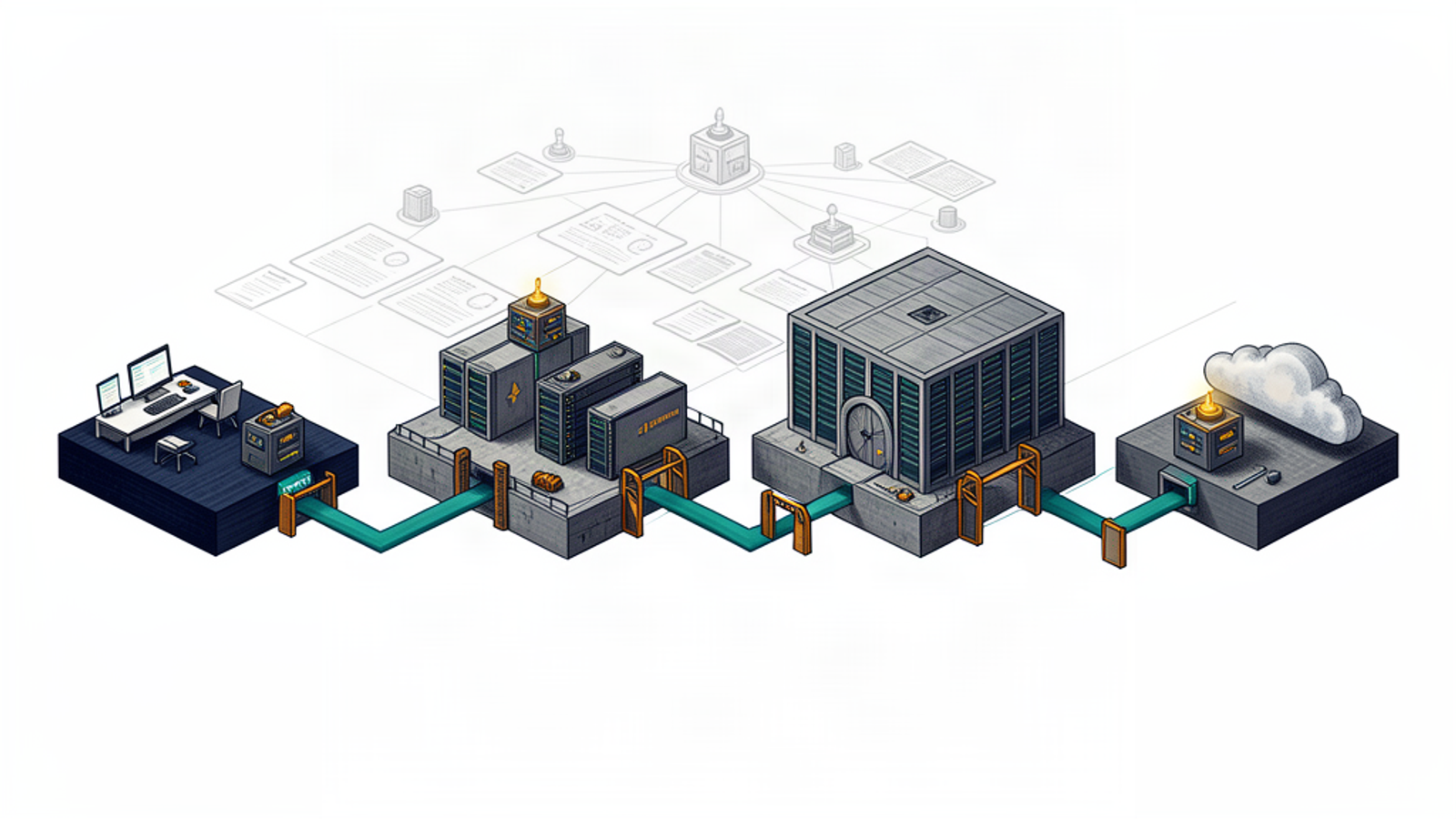
Local AI is not cloud inference moved into a server room. The durable design is a federation of autonomous inference cells that places computation near authoritative context without surrendering policy, evidence, or operational control.
Enterprise Architecture
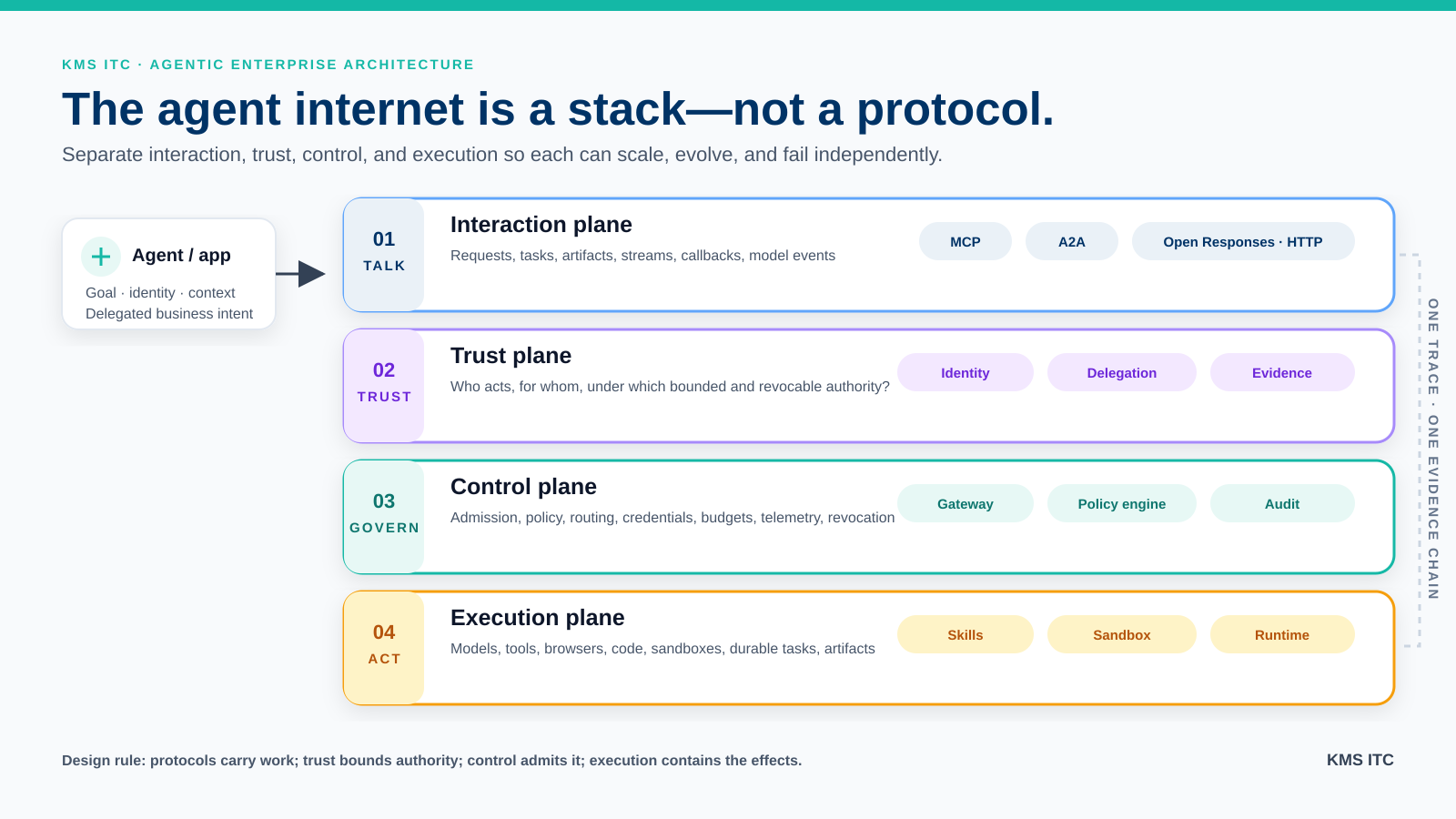
MCP, A2A, delegation, gateways, skills, and sandboxes are converging into an Internet-shaped agent stack. The enterprise design problem is how to separate interaction, trust, control, and execution.
Enterprise Architecture
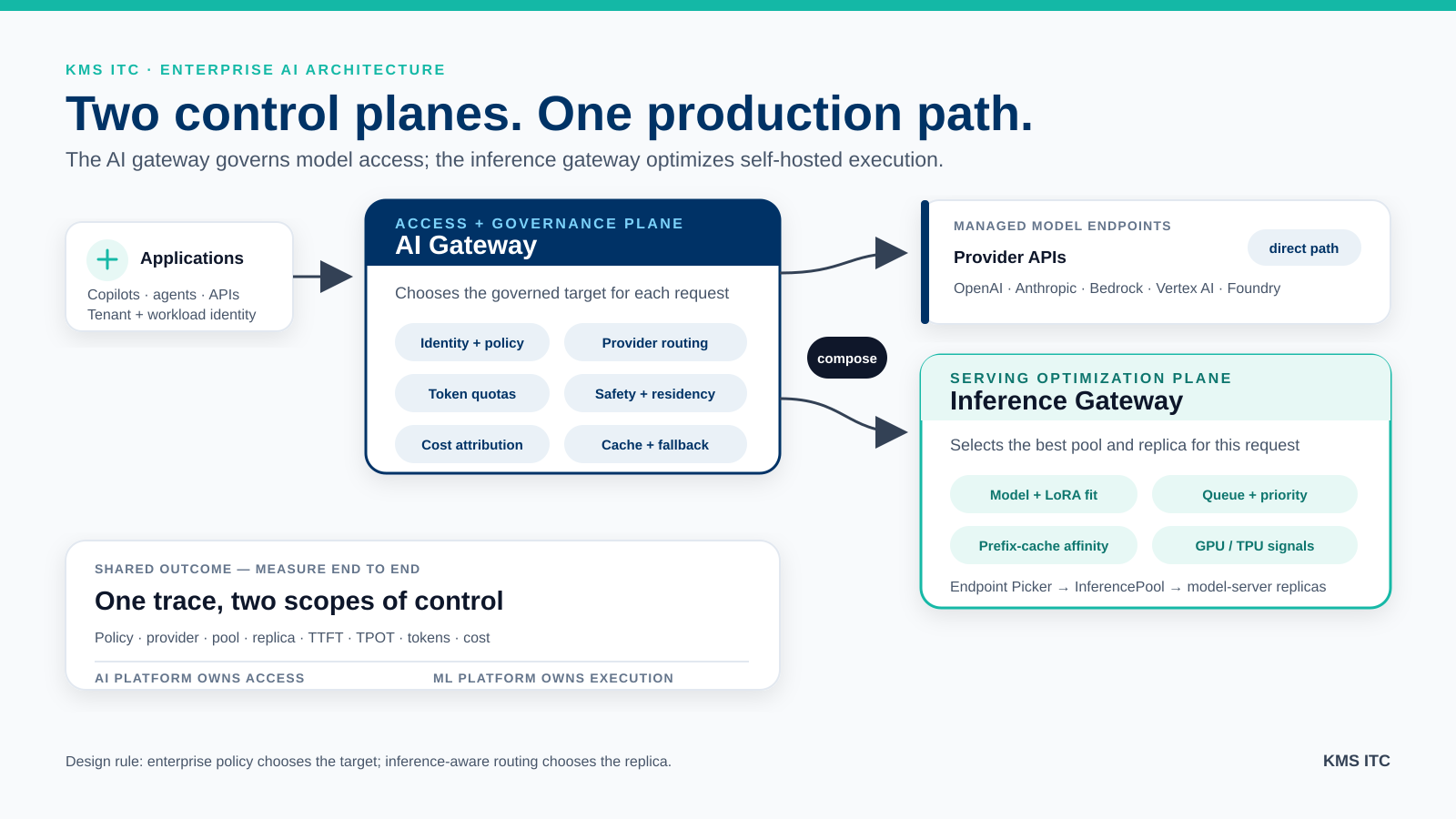
A practical architecture guide to model access, inference-aware routing, ownership boundaries, failure modes, and the cases where AI and inference gateways should be deployed together.
Supply Chain Architecture
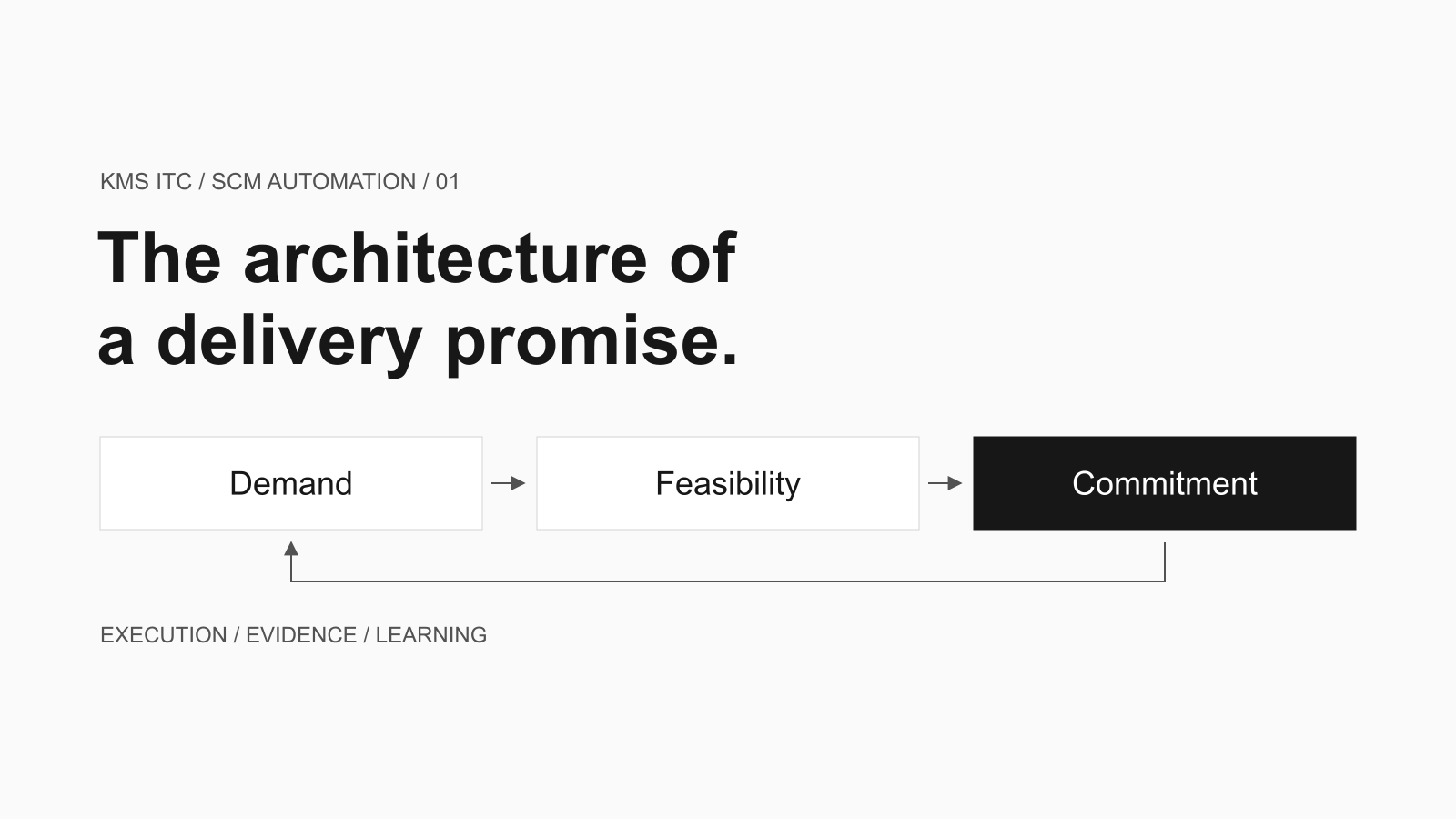
Reliable supply chains connect commercial intent to operational evidence. A KMS ITC perspective on planning, decision ownership and the economics of promises.
Supply Chain Architecture
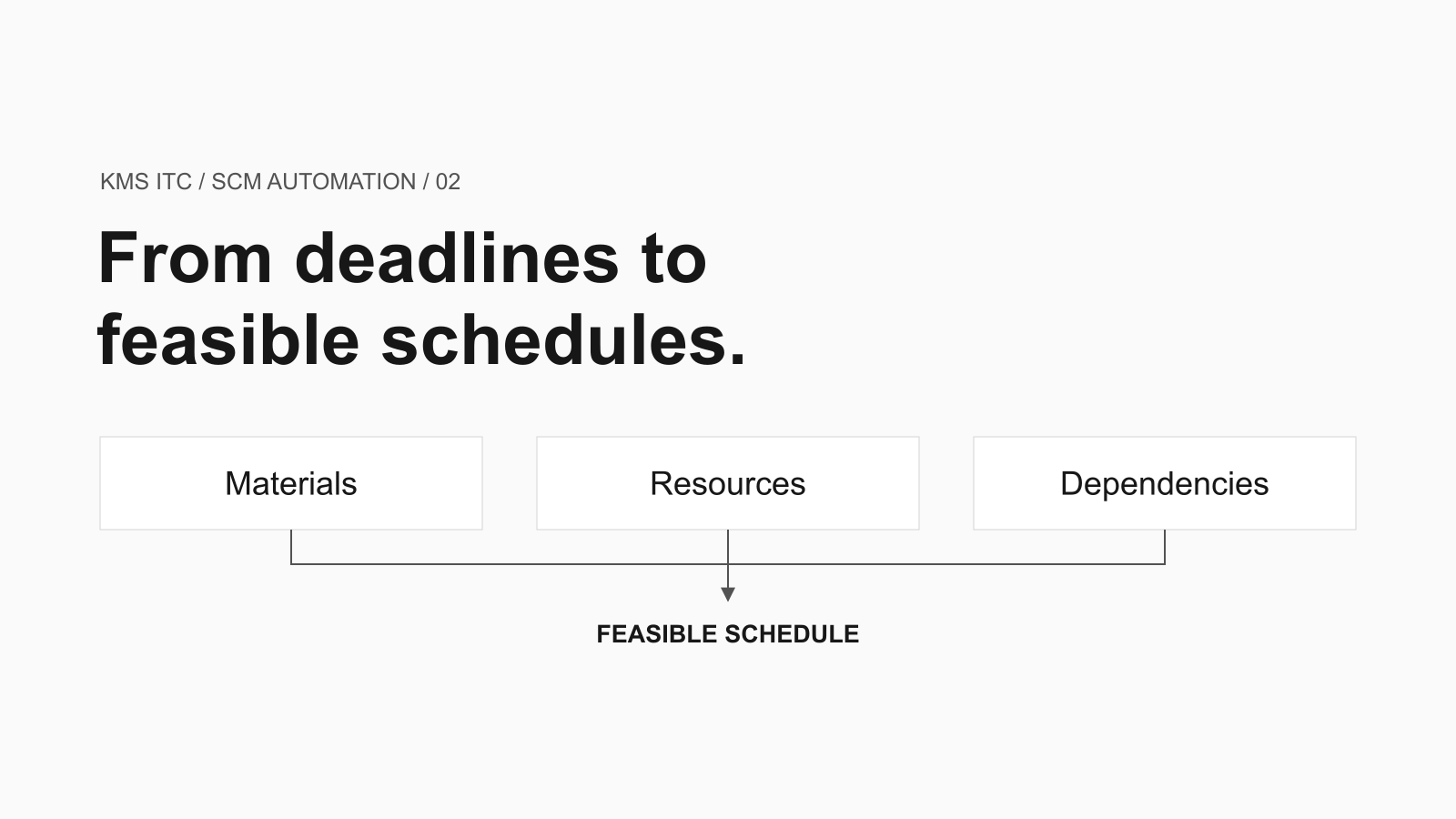
A due date establishes a target. Materials, capable resources, calendars and dependencies determine whether it can be met. How to connect the two without false precision.
Supply Chain Architecture
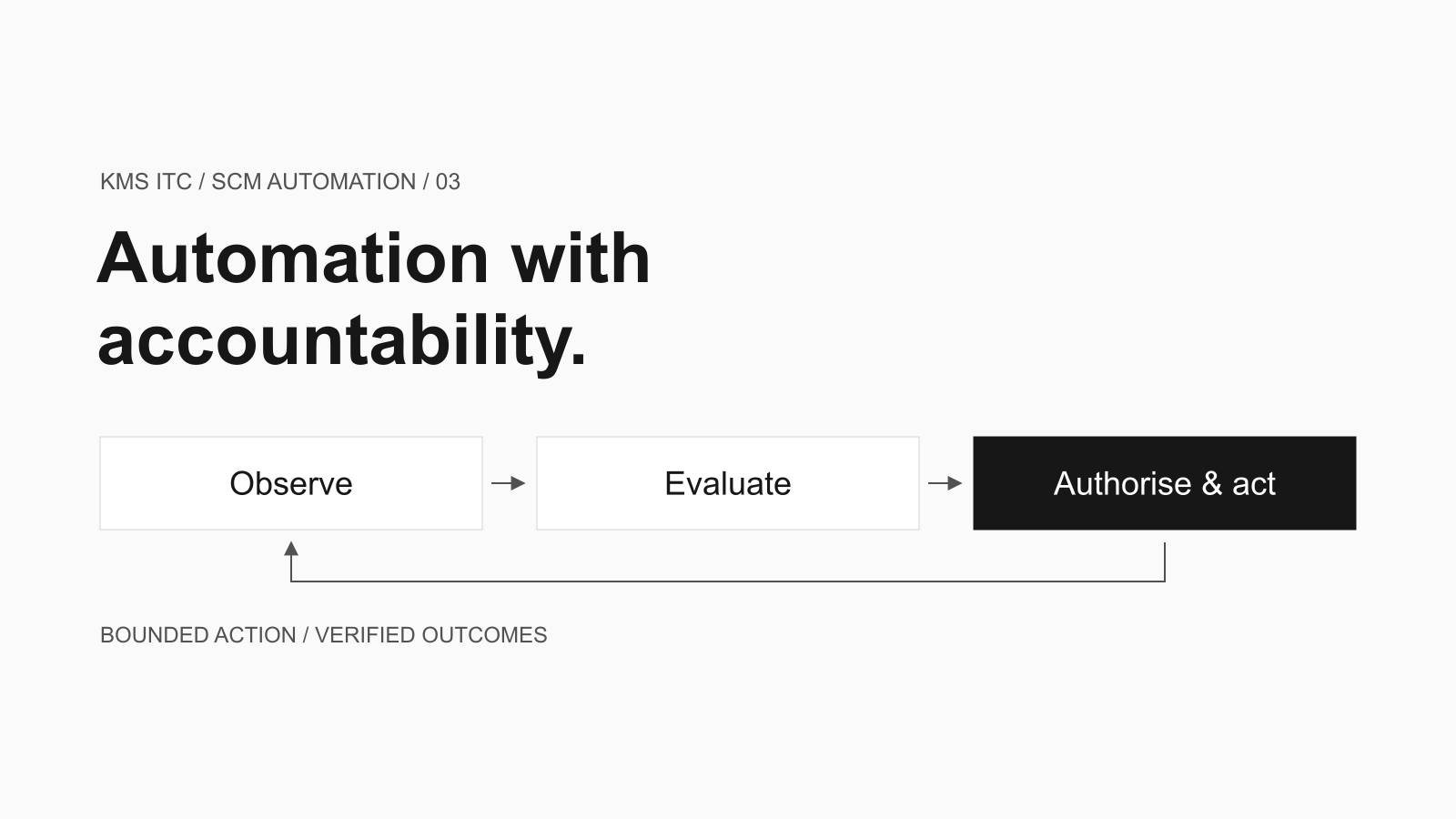
An implementation architecture for reliable SCM automation: clear data ownership, constraint engines, bounded actions and evidence that connects decisions to outcomes.
Enterprise Architecture
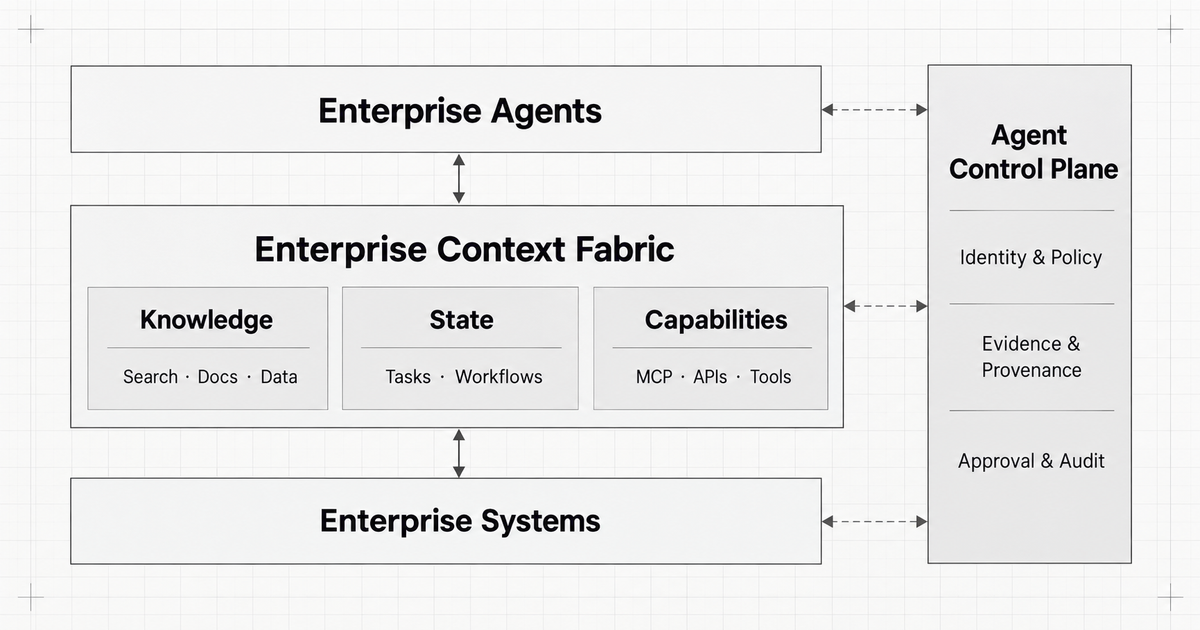
Retrieval is one capability within a larger architecture. Enterprise agents need governed access to knowledge, state and evidence—and a control plane that defines what they may do.
AI Strategy
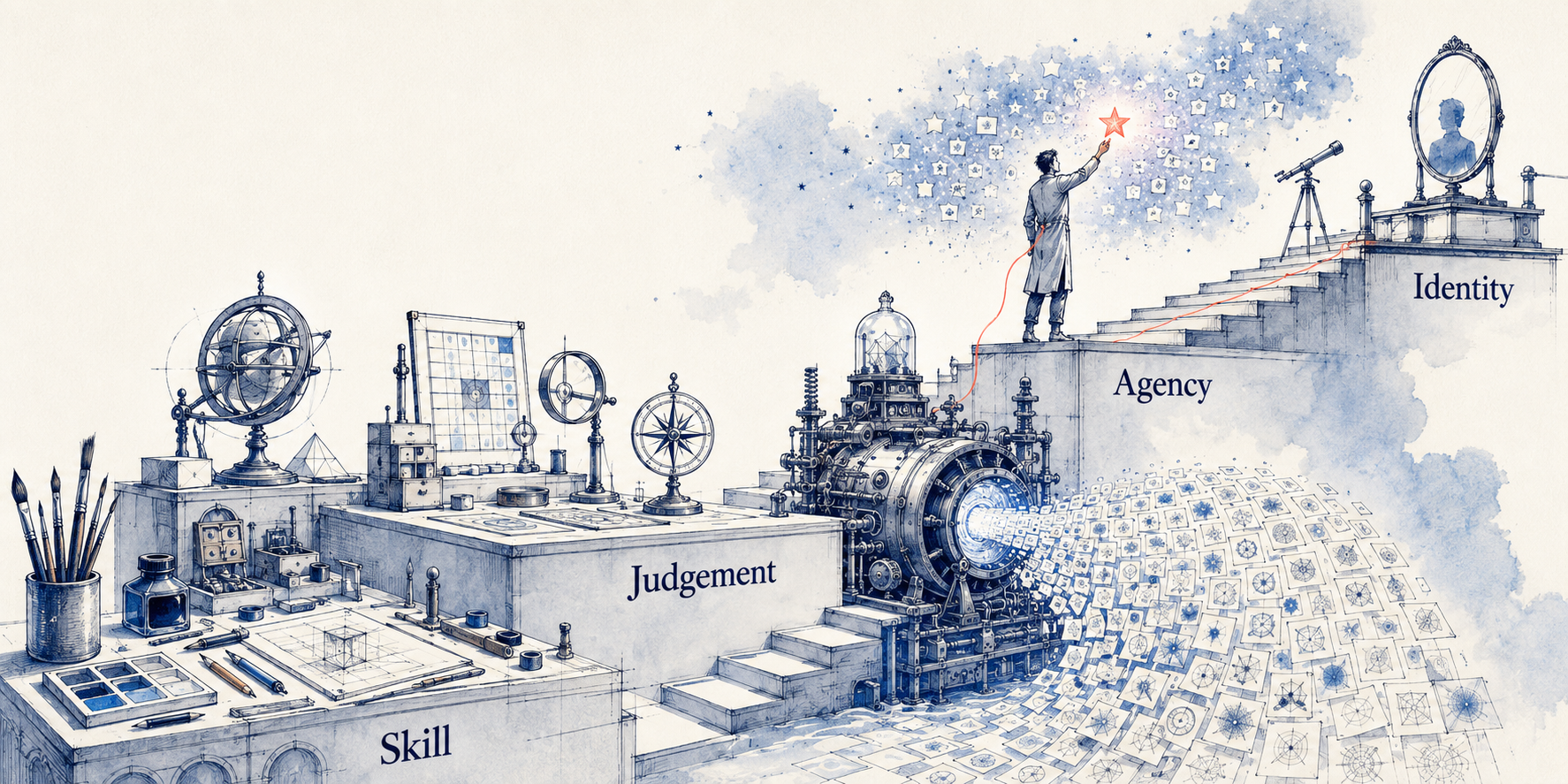
Generative AI is not only changing how creative work is produced. It is moving the scarce layer of value upward: from execution, to judgement, to agency, and ultimately to identity.
AI Infrastructure
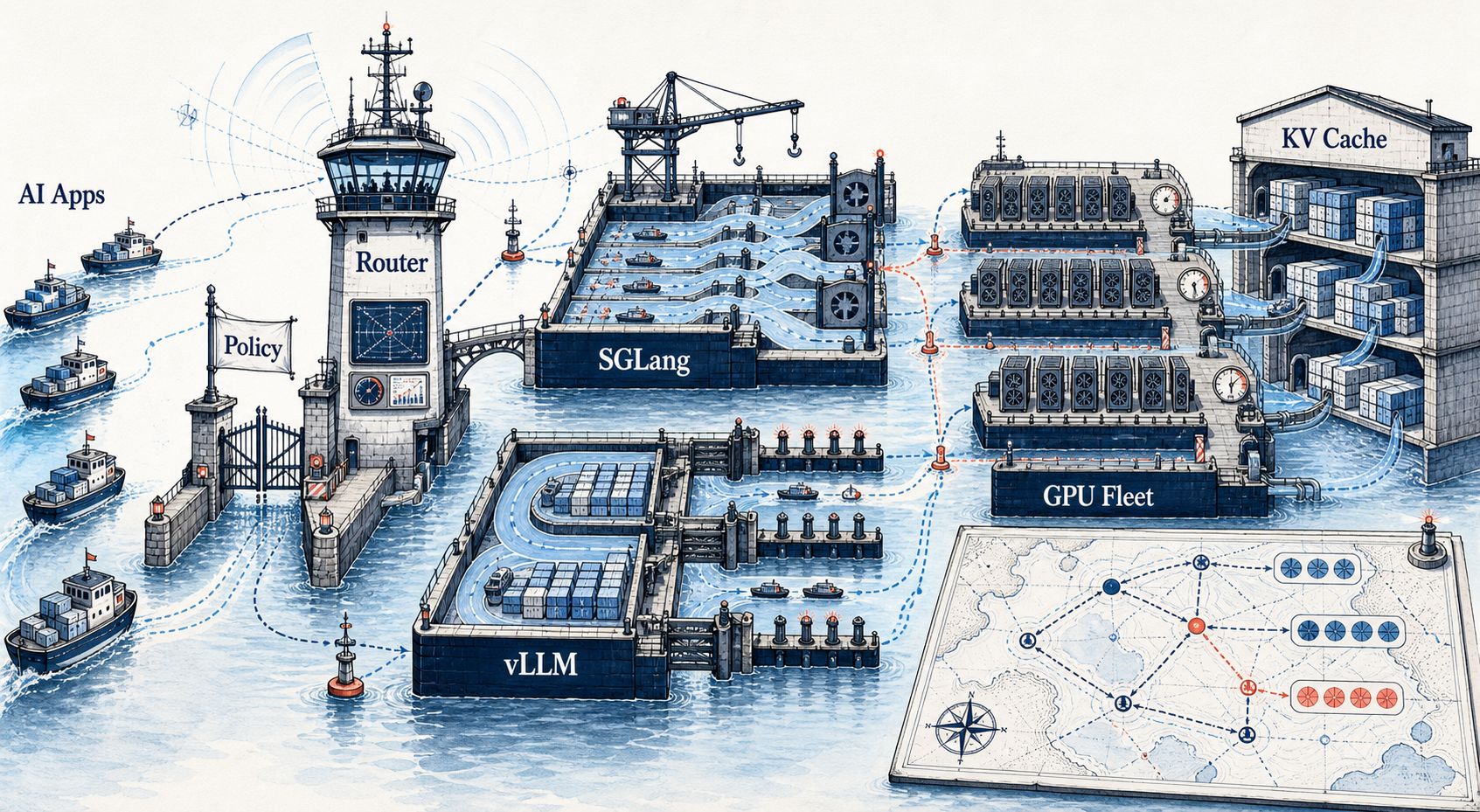
The most important AI infrastructure shift is no longer just faster GPUs or larger models. SGLang, vLLM and Kubernetes-native serving stacks show that enterprise AI now needs an inference operating system: a governed runtime for latency, memory, routing, cost and risk.
AI Strategy
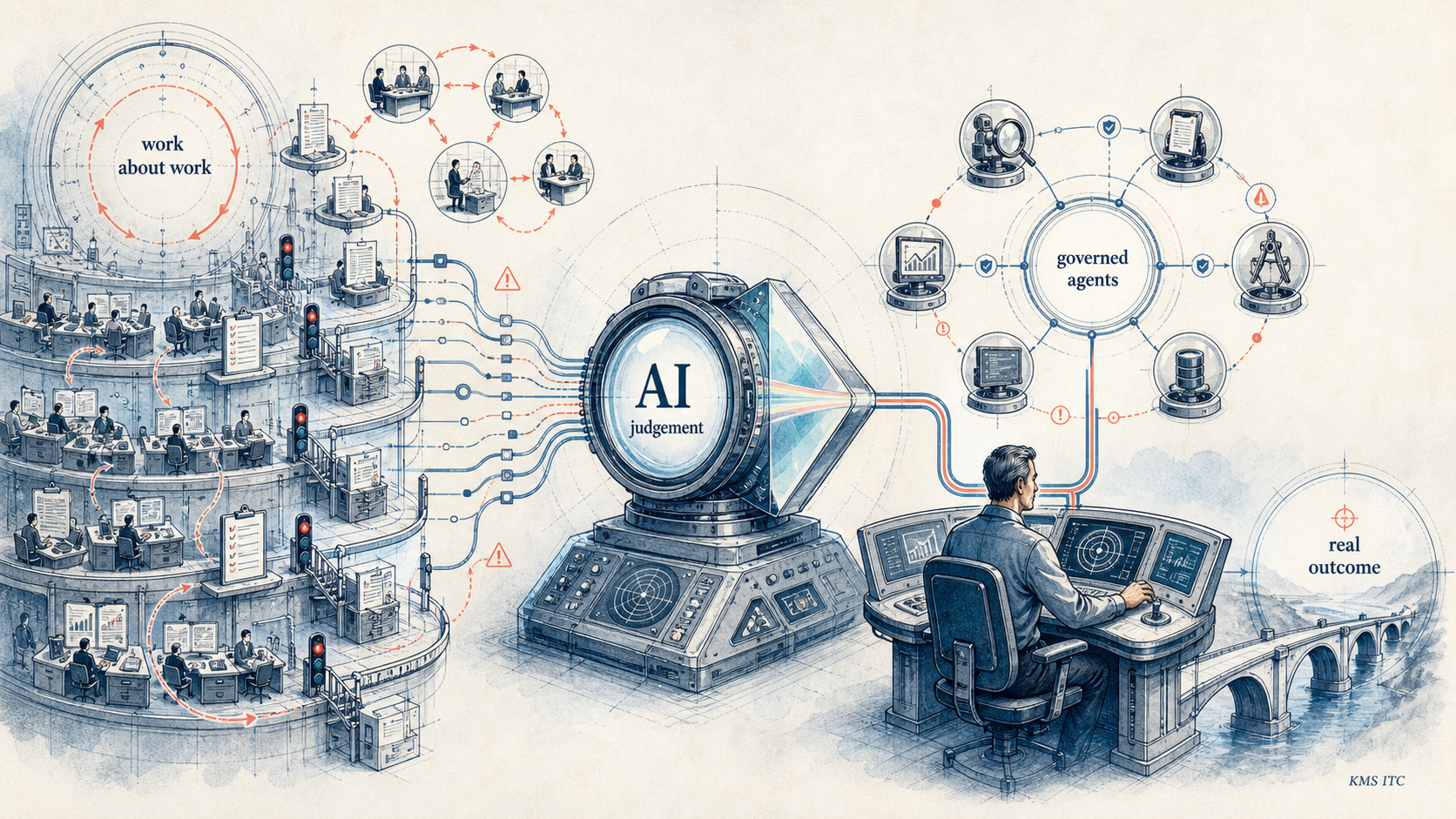
AI is not just making existing teams faster. It is changing the minimum number of people required to deliver an outcome safely and well — and exposing how much organisational work is really work about work.
Enterprise Architecture
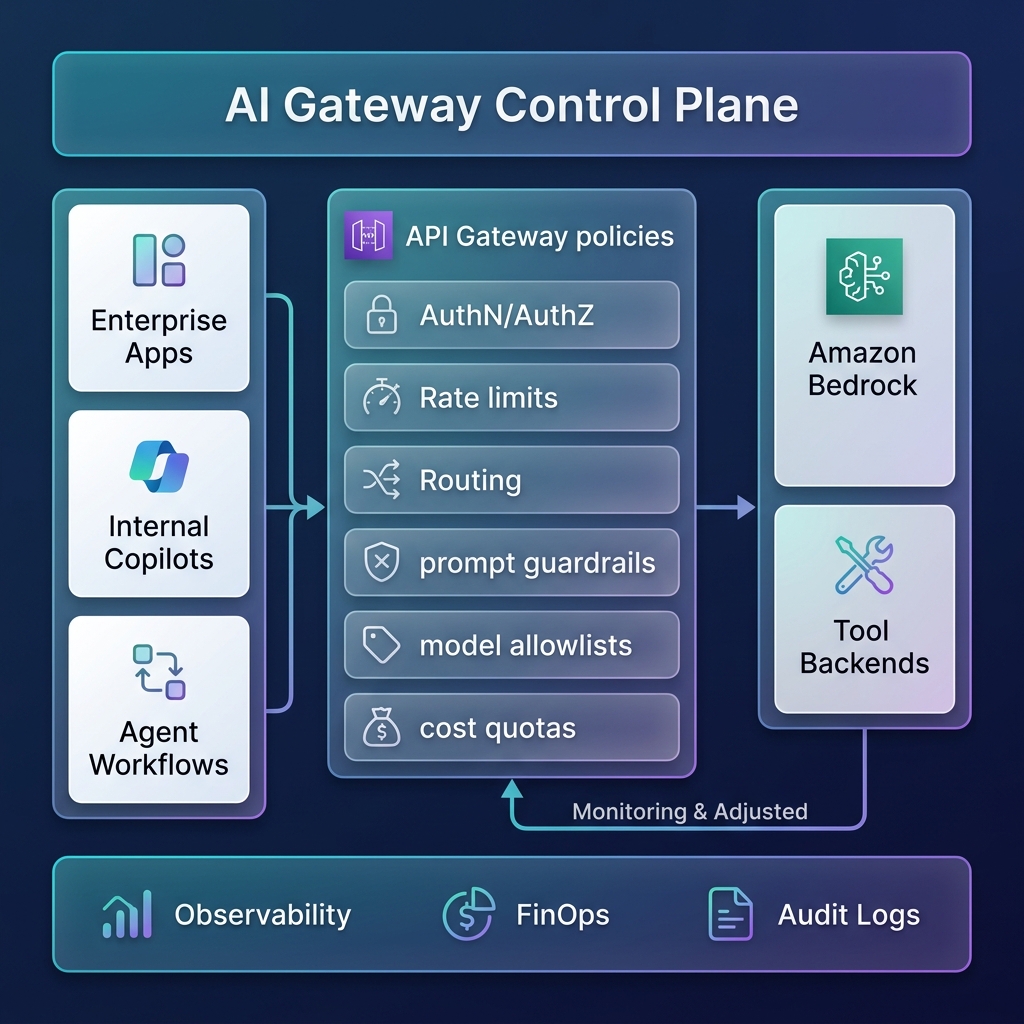
The biggest Bedrock architecture decision is not model choice. It is whether you run direct model access or establish an AI gateway control plane for policy, reliability, and cost governance.
AI Architecture
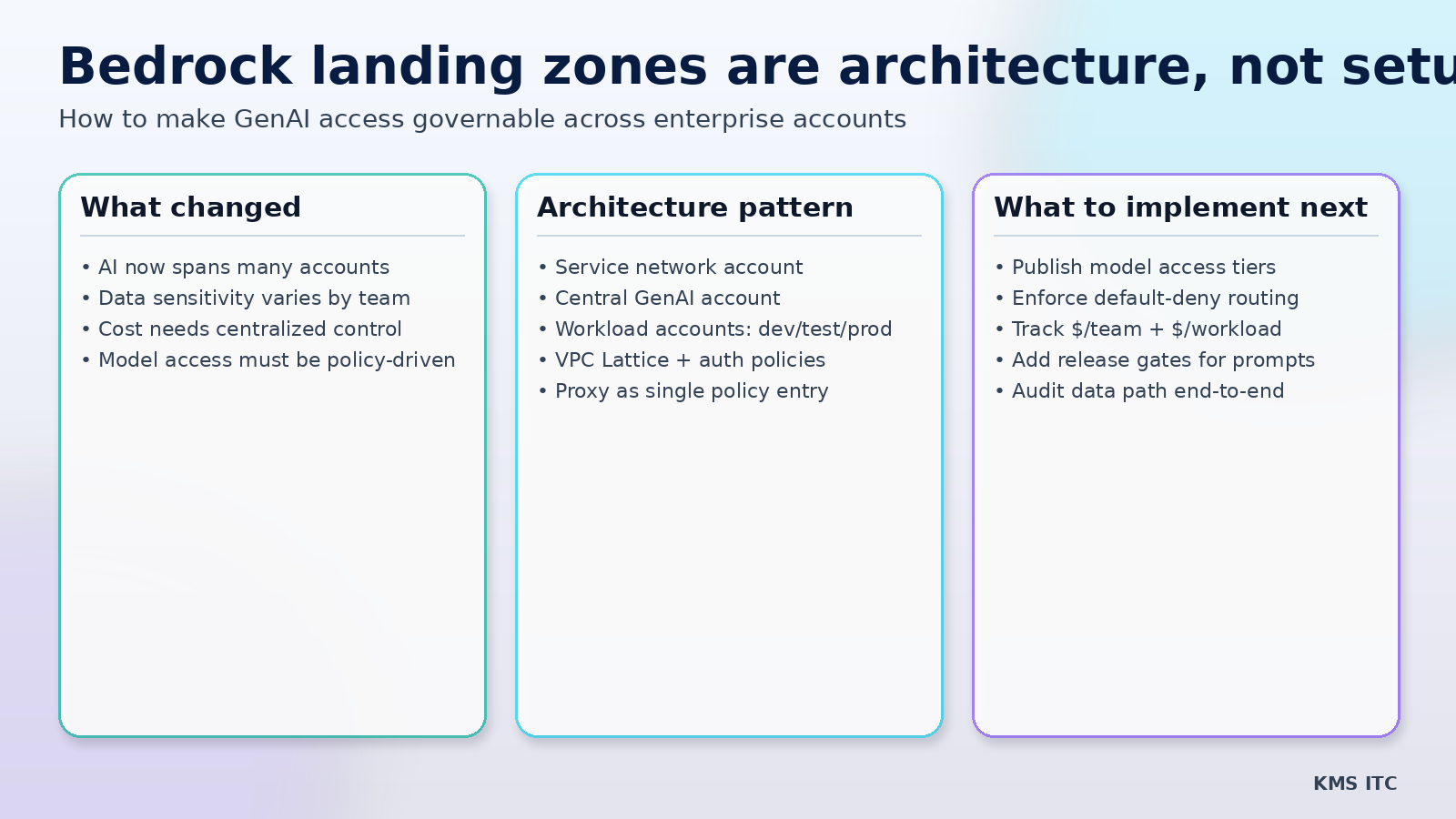
The critical shift is architectural: centralize GenAI capability, decentralize workload ownership. Here’s how the Bedrock landing-zone baseline maps to enterprise control planes and what to standardize next.
Enterprise Architecture
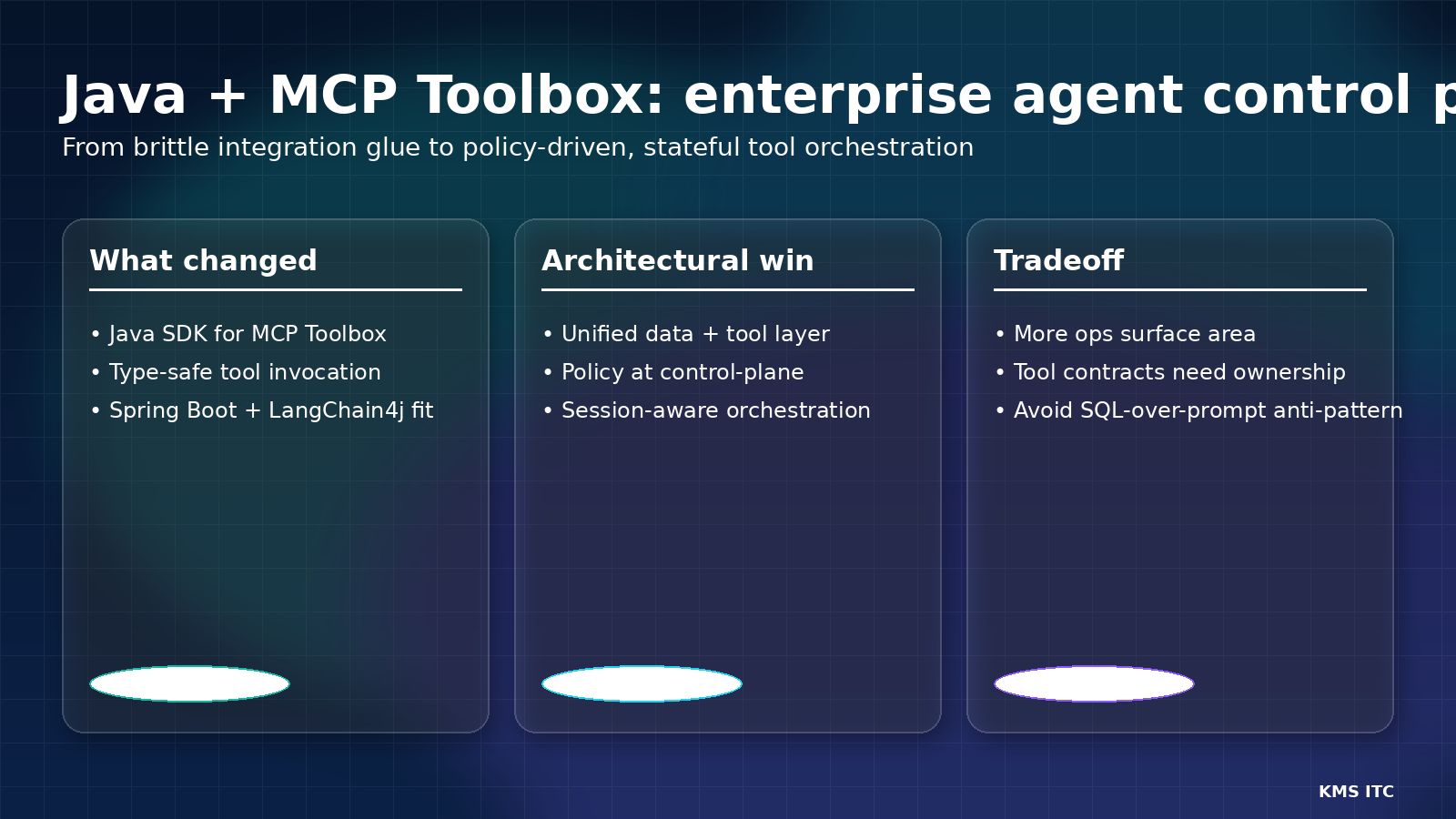
Google’s MCP Toolbox Java SDK signals a practical architecture shift: move from custom integration glue to a policy-driven agent control plane where tool contracts, identity, and governance are first-class.
Enterprise Architecture

Google Cloud’s new fractional G4 VMs and Dynamo + GKE Inference Gateway integration point to a practical enterprise pattern: separate workload classes, route by policy, and treat GPU capacity as a governed control plane rather than an ad-hoc pool.
AI + Enterprise Architecture

The API era of AI is over. Enterprise-grade agents need databases that serve as context engines—with vector pipelines, row-level security, and architecture-first thinking.
AI & Cloud Architecture

AWS and OpenAI's new Stateful Runtime Environment shifts AI agents from fire-and-forget prompts to persistent, memory-bearing workflows—and it changes what enterprise architects need to plan for.
AI & Enterprise Architecture

The shift from copilot-assisted tasks to agent-owned processes demands a new enterprise architecture layer—orchestration, governance, and human escalation by design, not as an afterthought.
Cloud & Platform Engineering

If your LLM platform is still using generic load balancing, you’re leaving latency, cost, and reliability on the table. Inference-aware routing (queue + KV cache + admission control) turns GPU serving from an app problem into a platform capability.
Cloud Architecture

A bank reduced provisioning from ~90 days to hours by standardising *claims* and reconciling them into approved stacks. This is the pattern enterprise GenAI platforms need: a governed control plane, not a thousand bespoke pipelines.
Enterprise Architecture

On-demand LLM inference is great for experiments—and brutal for production SLOs. Provisioned throughput turns capacity into an architectural primitive: predictable latency, deliberate burst handling, and a budget you can actually govern.
Enterprise Architecture
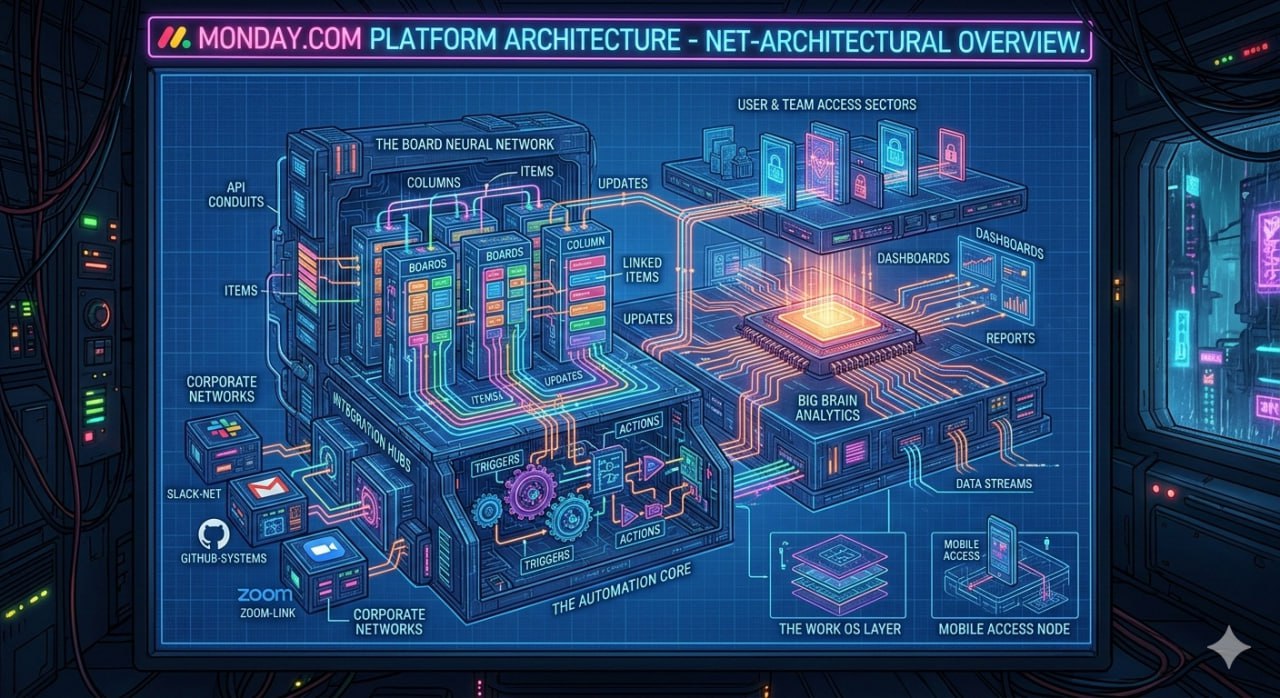
Monday.com looks like a simple boards app. Under the hood it behaves like a Work OS: a data model (boards/items/columns), an automation engine, an app marketplace, and an integration layer. This article maps the architectural layers and the enterprise trade-offs.
Enterprise Architecture

Google is contributing a gRPC transport for MCP. The win isn’t just performance — it’s aligning agent tool-calls with your existing service mesh, identity, and observability. The risk: confusing ‘typed APIs’ with ‘LLM-usable tools’.
Enterprise Architecture

Agentic systems fail in tool-use, memory, and recovery—not just ‘wrong answers’. Treat evaluation like a control plane: traces → metrics → release gates, with scorecards that point to root causes.
Cyber Security

Security-by-design fails when it becomes a late-stage review. Here’s a lifecycle blueprint that uses AI to make controls continuous: from requirements and architecture to build, release, and operations.
Platform Engineering
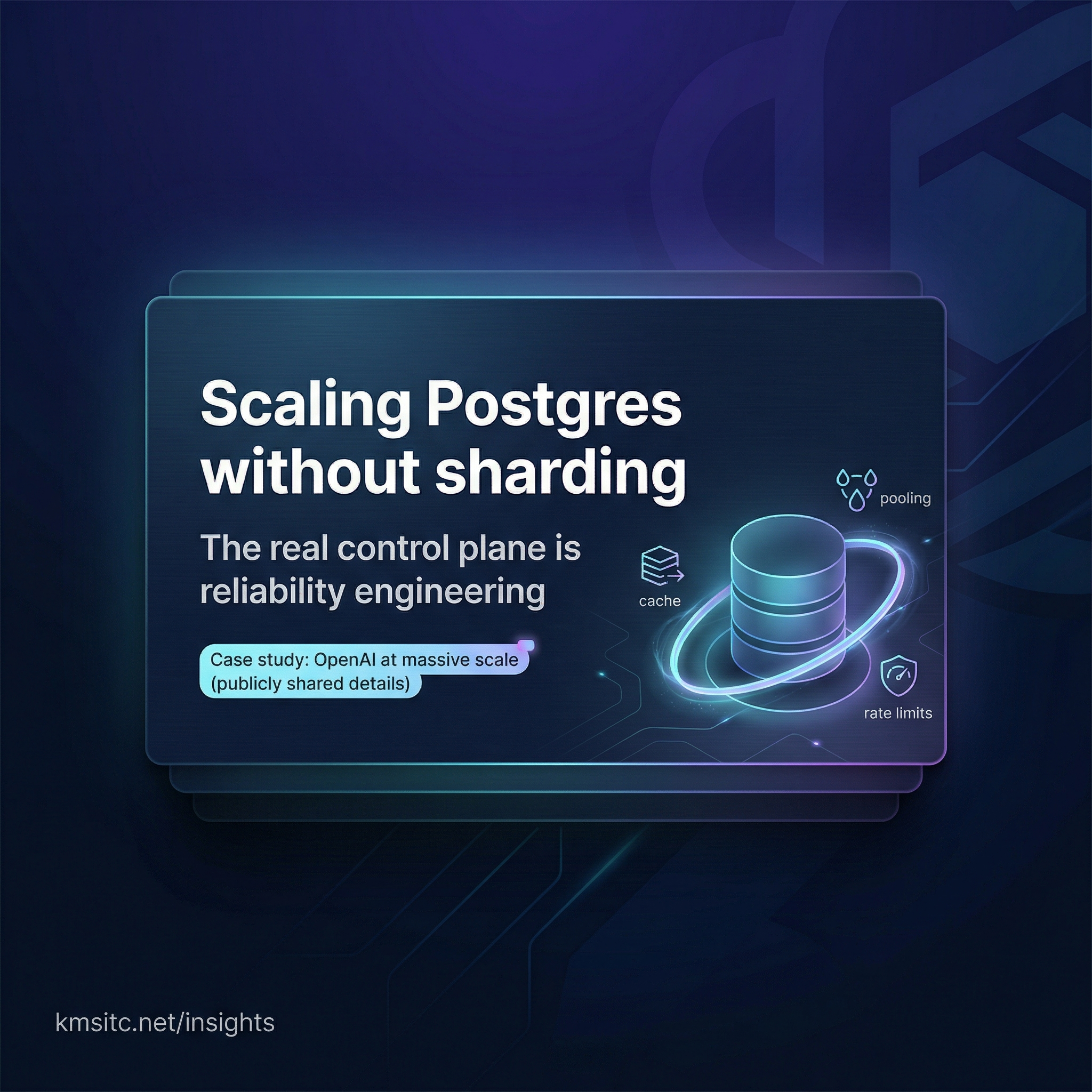
Why a single-writer Postgres architecture can go further than you think—if you treat caching, pooling, rate limits, and blast-radius isolation as first-class design primitives.
Engineering

A deep dive into accidental merges, silent deletions, and why Git’s three-way merge can ‘correctly’ make your files disappear.
AI Architecture
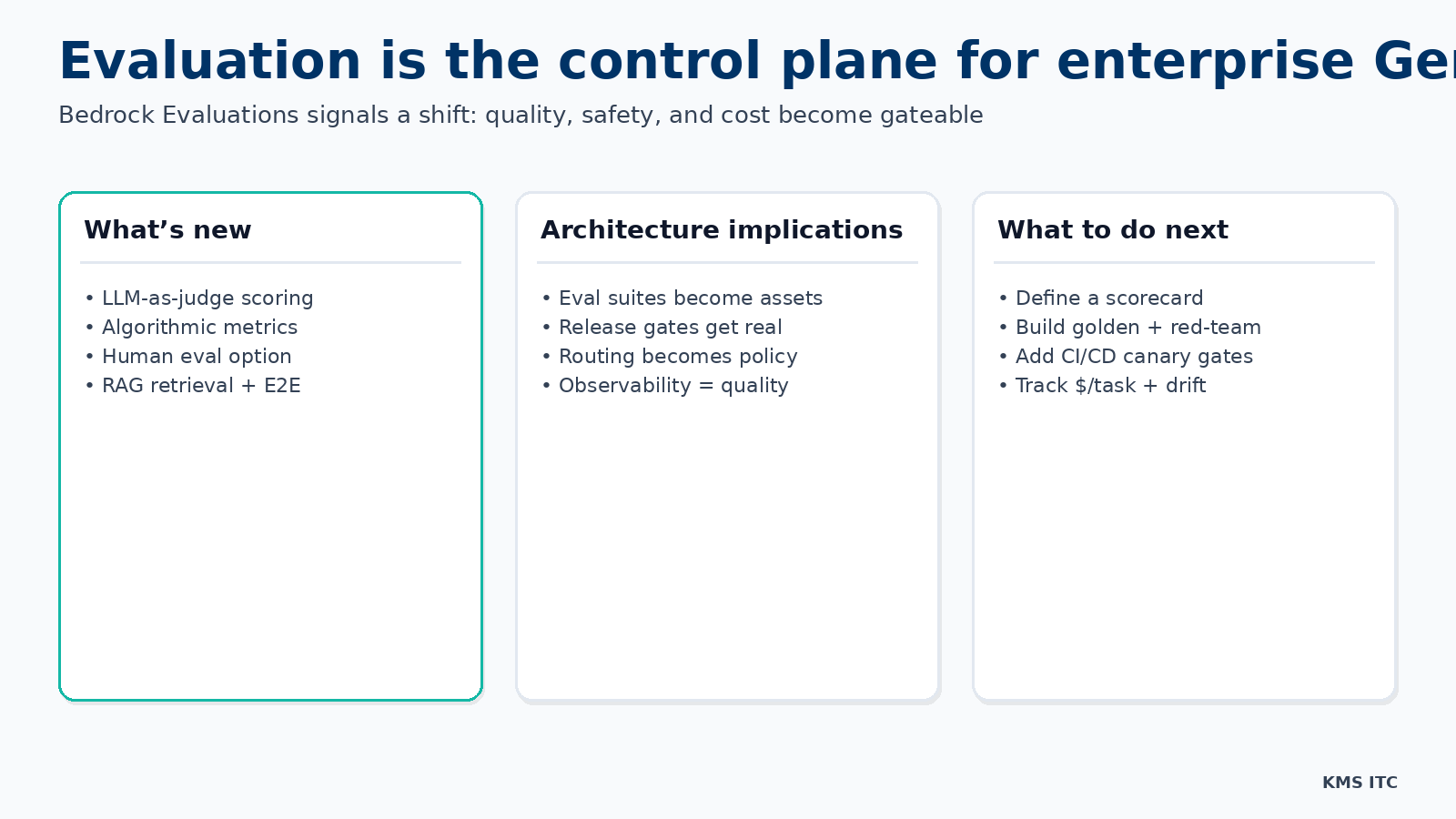
When evaluation becomes a managed capability (LLM-as-judge, algorithmic metrics, human review, RAG scoring), you can finally gate GenAI changes like software releases. Here’s the reference architecture and tradeoffs.
Enterprise Architecture

SAP’s ‘classic’ model still underpins many S/4HANA programs: a three-tier landscape (DEV/TEST/PRD), controlled change promotion, and resilient central services. This guide explains the patterns that keep SAP environments stable at scale.
Cloud Architecture

AWS’s G7e instances (NVIDIA RTX PRO 6000 Blackwell, up to 8 GPUs and 1600 Gbps EFA) are now in APAC (Tokyo). Here’s what that means for LLM serving, agent workloads, and platform architecture.
AI Strategy

The next jump in personal/work assistants won’t come from a smarter model. It’ll come from an operating model: durable identity contracts, memory layers, and background loops that surface only what matters.
Enterprise Architecture

The decision isn’t ‘which agent is smartest?’. It’s which operating model you want on your workstation: chat-first assistant, secure daemon, deep execution agent, or a framework you assemble yourself.
AI Strategy

The next capability jump won’t come from bigger prompts. It’ll come from agents that can simulate futures, plan under uncertainty, and verify outcomes—using world models as an internal control plane.
Enterprise Architecture

If you can’t measure task success, tool correctness, safety, latency, and cost—at the trace level—you don’t have an AI agent. You have an incident waiting to happen.
AI Platform
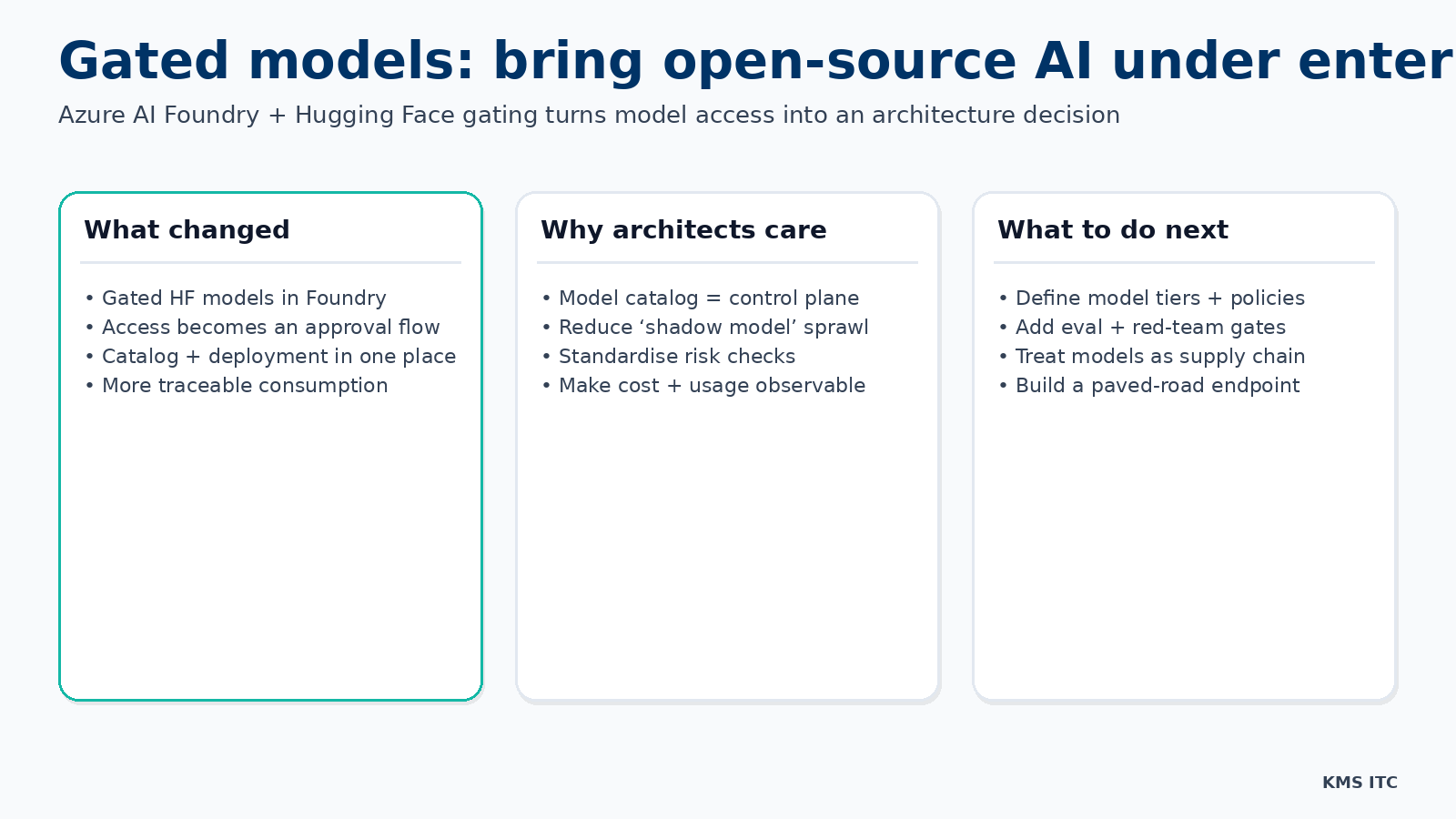
When ‘use this model’ becomes an approval flow, your model catalog stops being a list—and becomes the control plane for licensing, risk, evaluation, and cost guardrails.
Enterprise Architecture

The fastest way to scale GenAI safely is to turn governance into a repeatable architecture review loop—with reference patterns, measurable guardrails, and a funded backlog.
AI Tooling
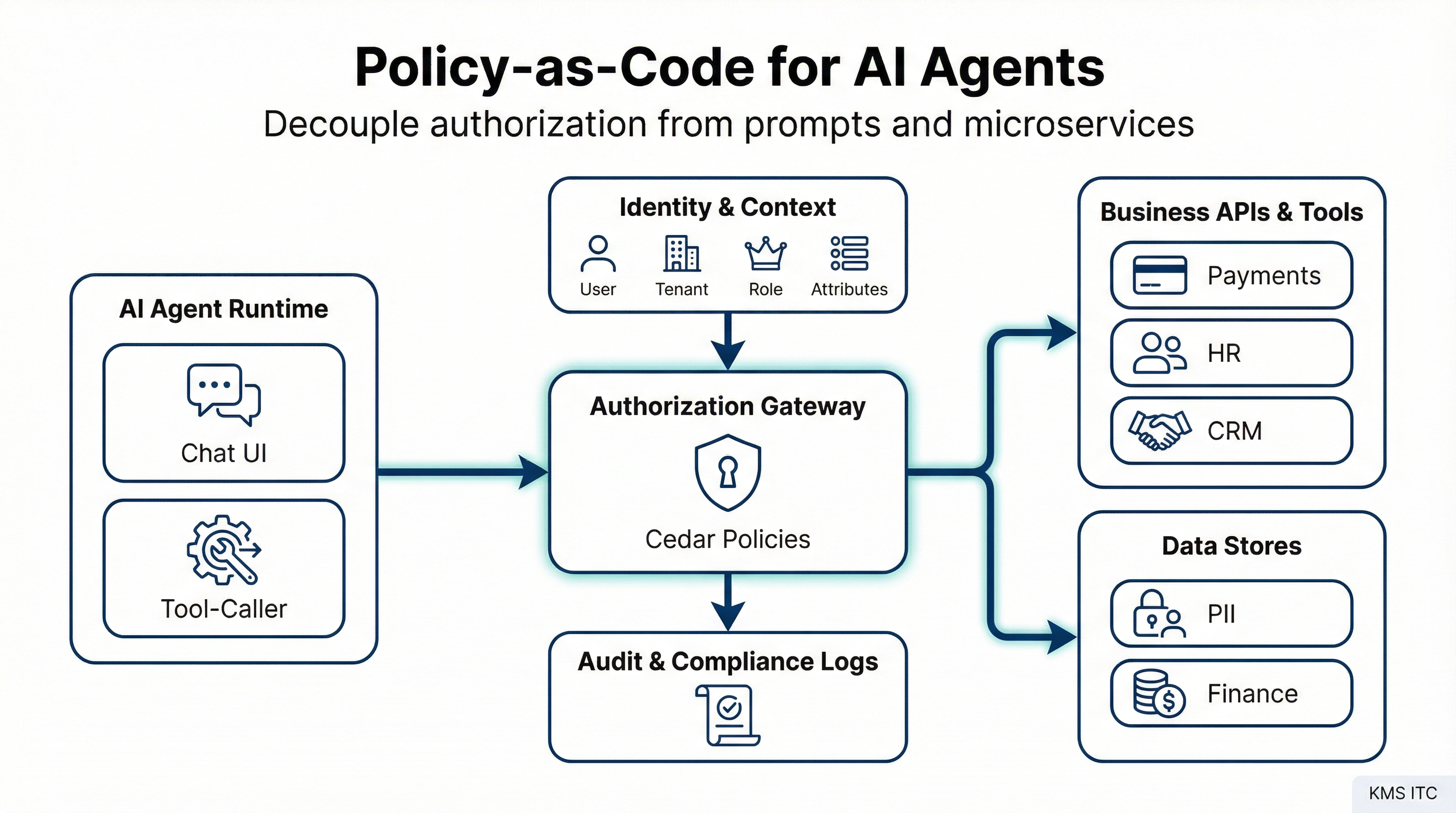
Enterprise agents don’t fail because they can’t call tools — they fail because nobody can prove the calls were allowed. Here’s the reference architecture for decoupled, auditable authorization using policy engines (Cedar/Verified Permissions).
Security

Apple shipped emergency updates after reporting CVE‑2026‑20700 (dyld) was exploited in an ‘extremely sophisticated’ targeted attack. Here’s a practical playbook: scope impact, enforce update rings via MDM, validate compliance, and reduce exposure while change windows catch up.
Security

February’s Patch Tuesday includes six zero-days exploited in the wild, now tracked in CISA’s KEV. Here’s a practical triage pattern to patch the right systems first, validate quickly, and reduce blast radius while change windows catch up.
Security

A critical pre-auth OS command injection bug in BeyondTrust RS/PRA can lead to remote code execution. If you run self-hosted and are internet-exposed, this is a ‘patch now’ item—plus a few fast controls to cut risk even before the window.
Enterprise Architecture
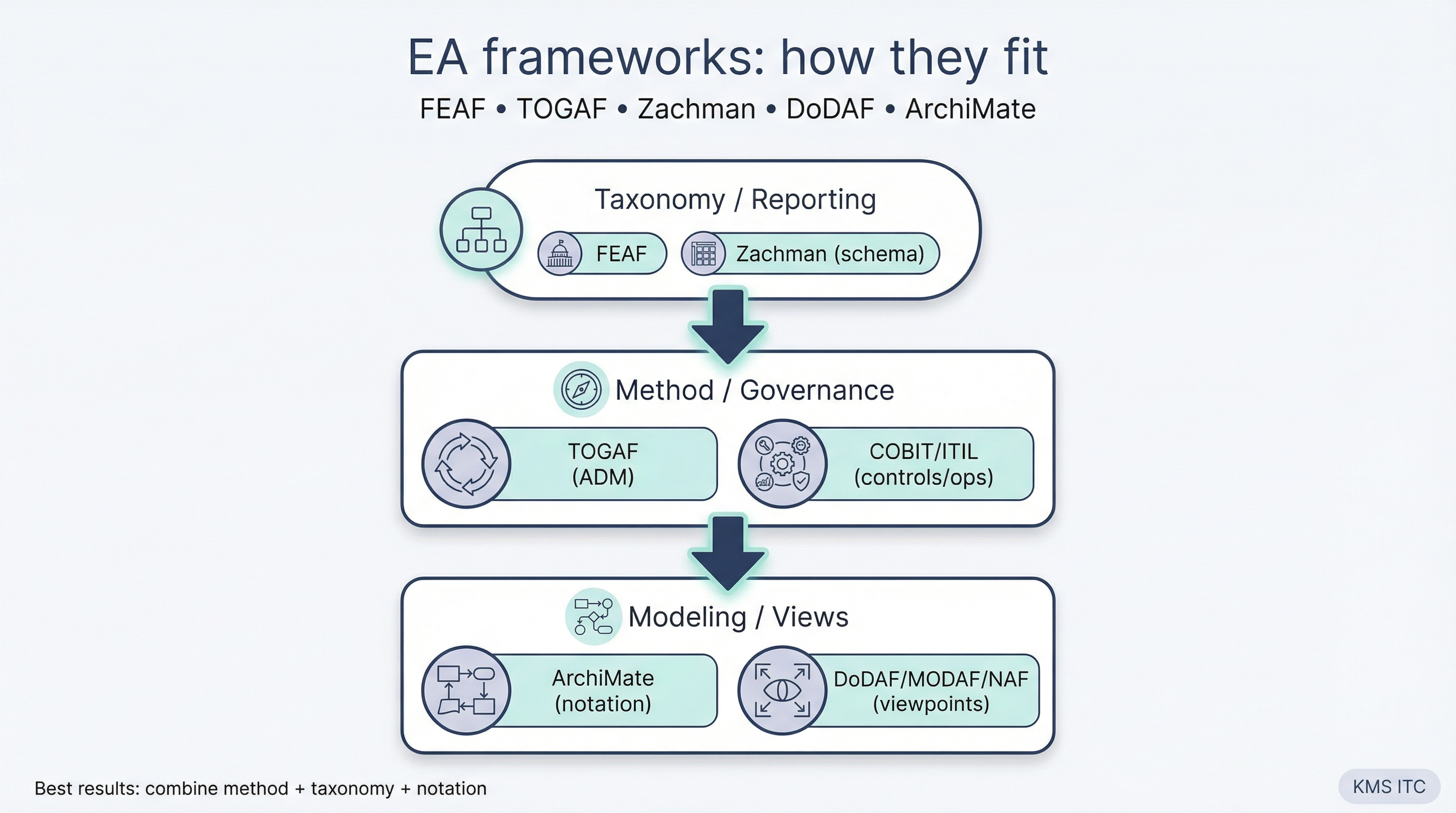
FEAF, TOGAF, Zachman, DoDAF—none of them is a silver bullet. Here’s what each is for, where they break down, and a practical way to use them together without drowning in ceremony.
Security
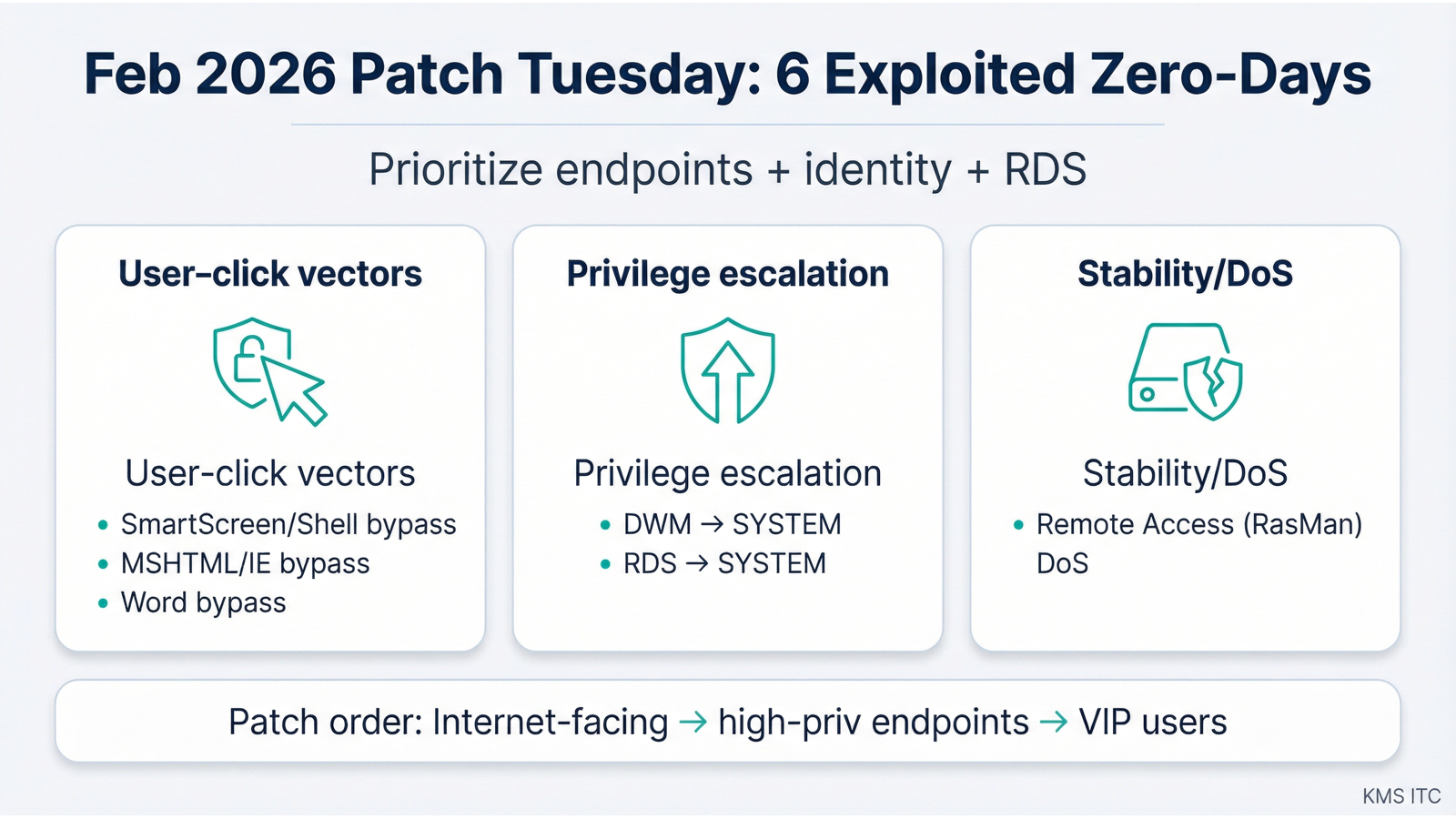
February’s Patch Tuesday is unusually urgent: Microsoft fixed six zero‑days being exploited in the wild. Here’s a practical, low-drama plan to patch fast without breaking production.
Cybersecurity
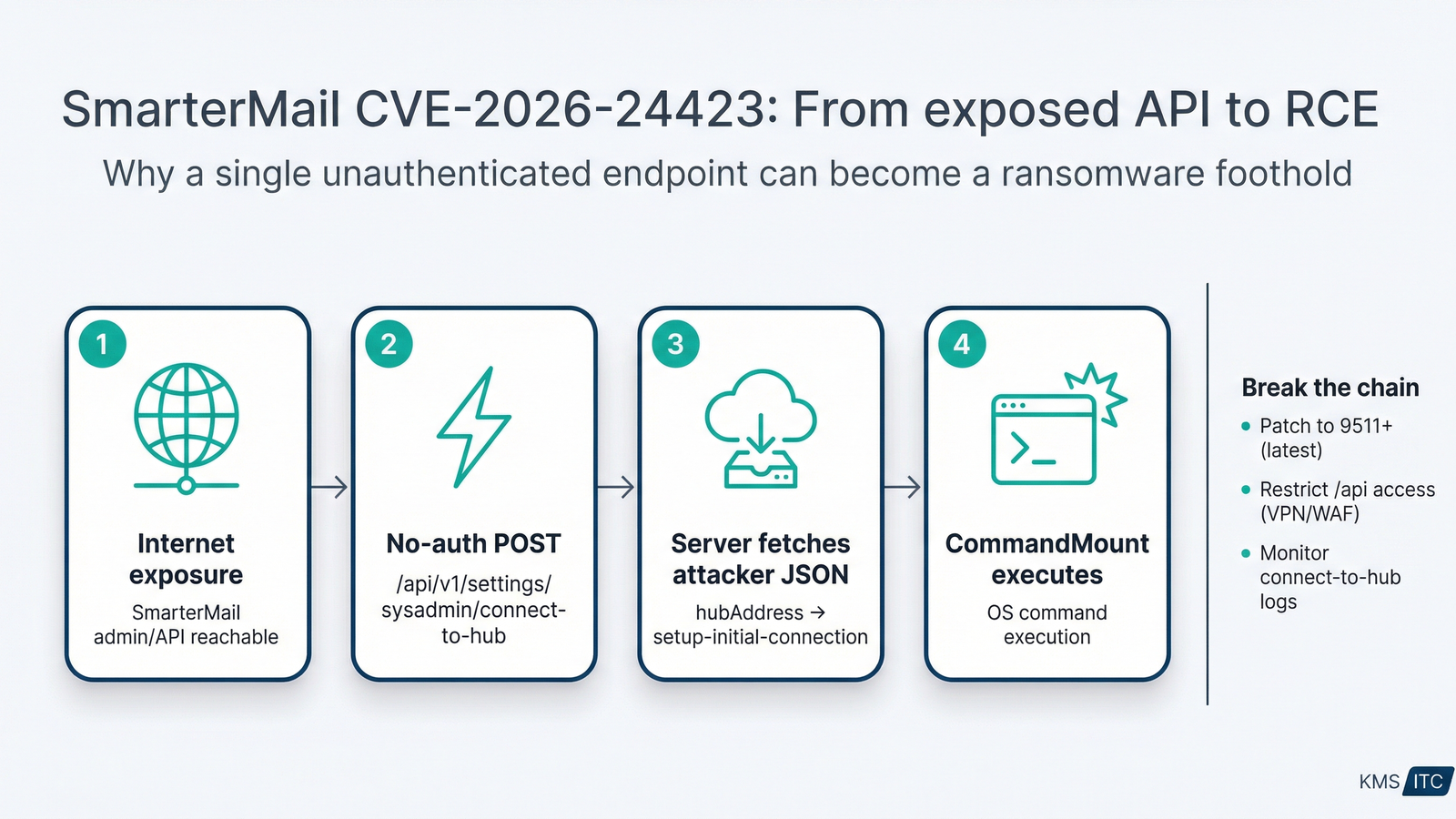
CISA says CVE-2026-24423 is being used in ransomware campaigns. If you run SmarterMail (especially for customers), treat this as an exposure + patch + verification exercise — not a ‘we’ll catch it next cycle’ update.
Security

A critical n8n expression-sandbox escape can turn ‘workflow author’ access into server-level command execution. Here’s what changed, why it matters, and a practical hardening checklist.
Security

GitHub Actions just made allowlisting easier across plans. Here’s a practical security baseline: restrict what can run, pin actions to SHAs, and keep forks safe—without murdering developer velocity.
Software Engineering
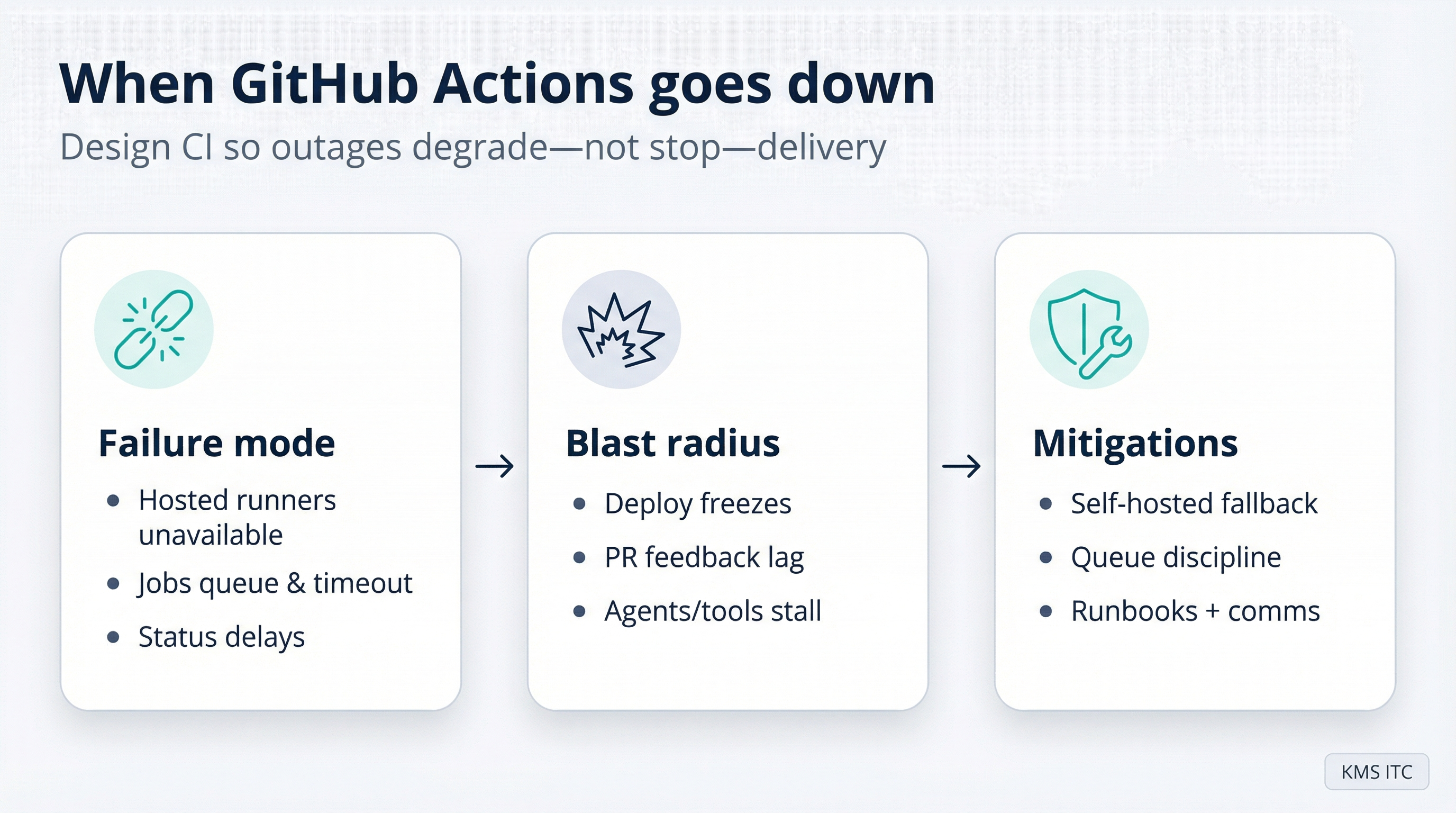
Recent GitHub Actions incidents highlight a hard truth: hosted CI is a dependency. Here’s how to design pipelines so outages degrade gracefully instead of freezing delivery.
Security

A targeted Notepad++ updater compromise shows how ‘small’ tools can become initial access. Here’s what happened, why it matters, and how to harden third‑party update channels.
Security
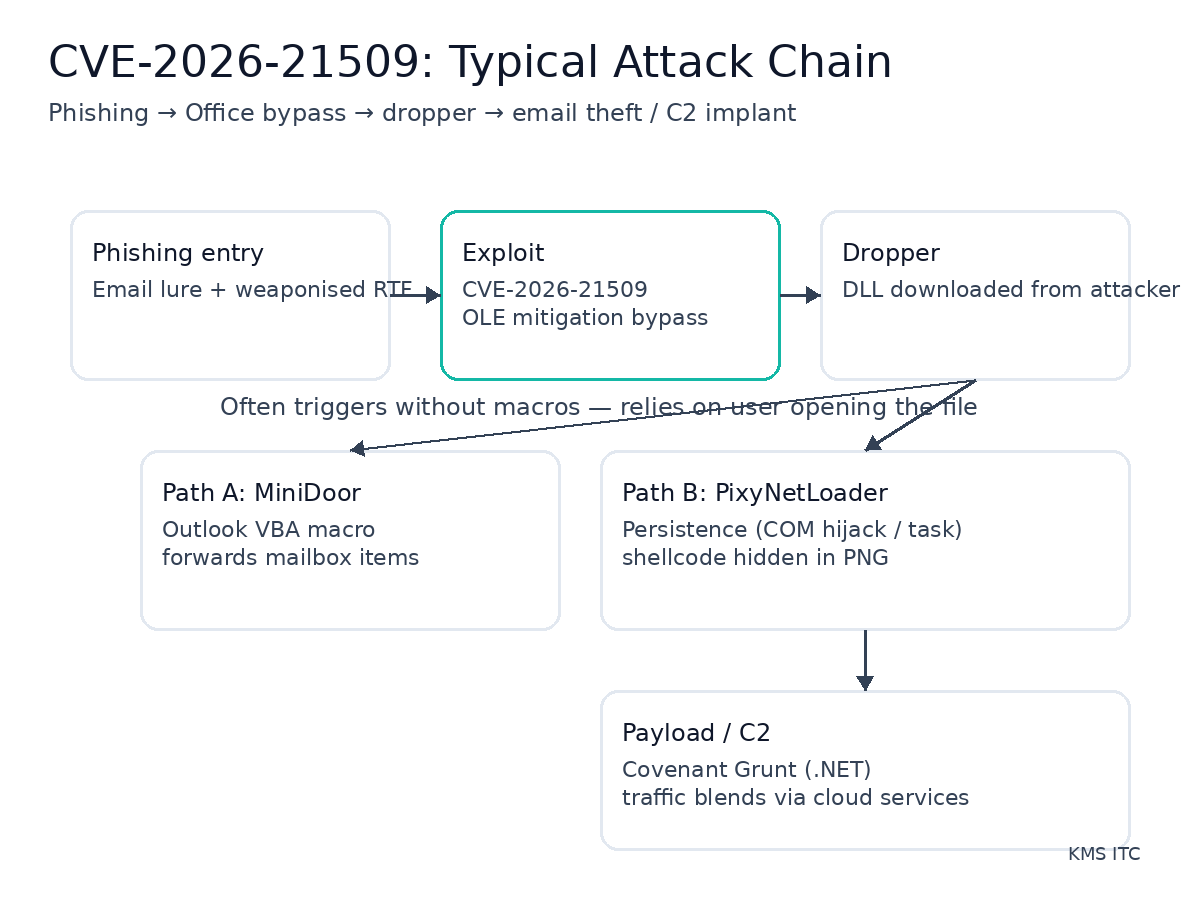
A newly patched Microsoft Office vulnerability (CVE-2026-21509) is already being exploited in targeted phishing campaigns. Here’s what changed, why it matters, and a practical response checklist for IT and security teams.
AI Tooling
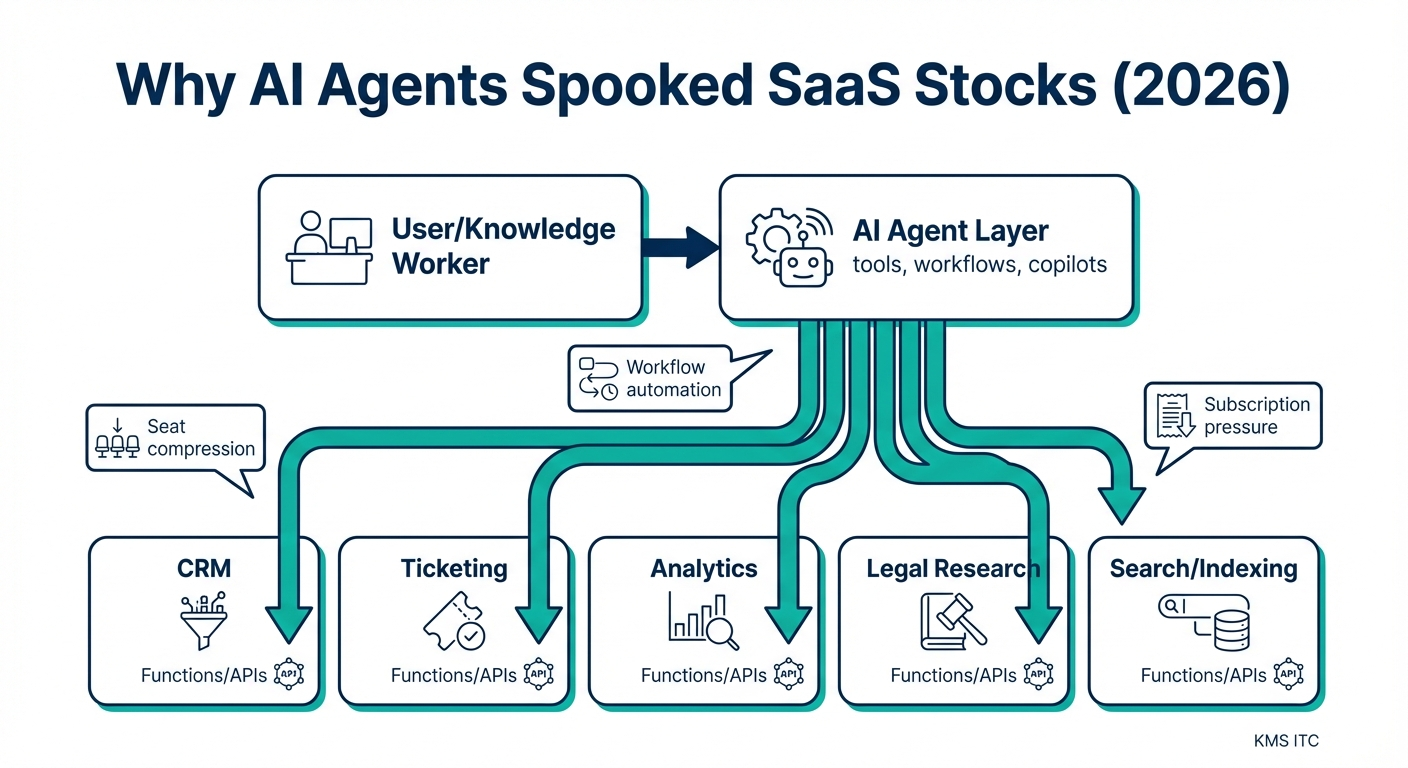
A wave of selling hit enterprise software names after new AI automation tooling raised ‘subscription replacement’ fears. Here’s what’s real, what’s hype, and how SaaS leaders should respond.
Software Engineering
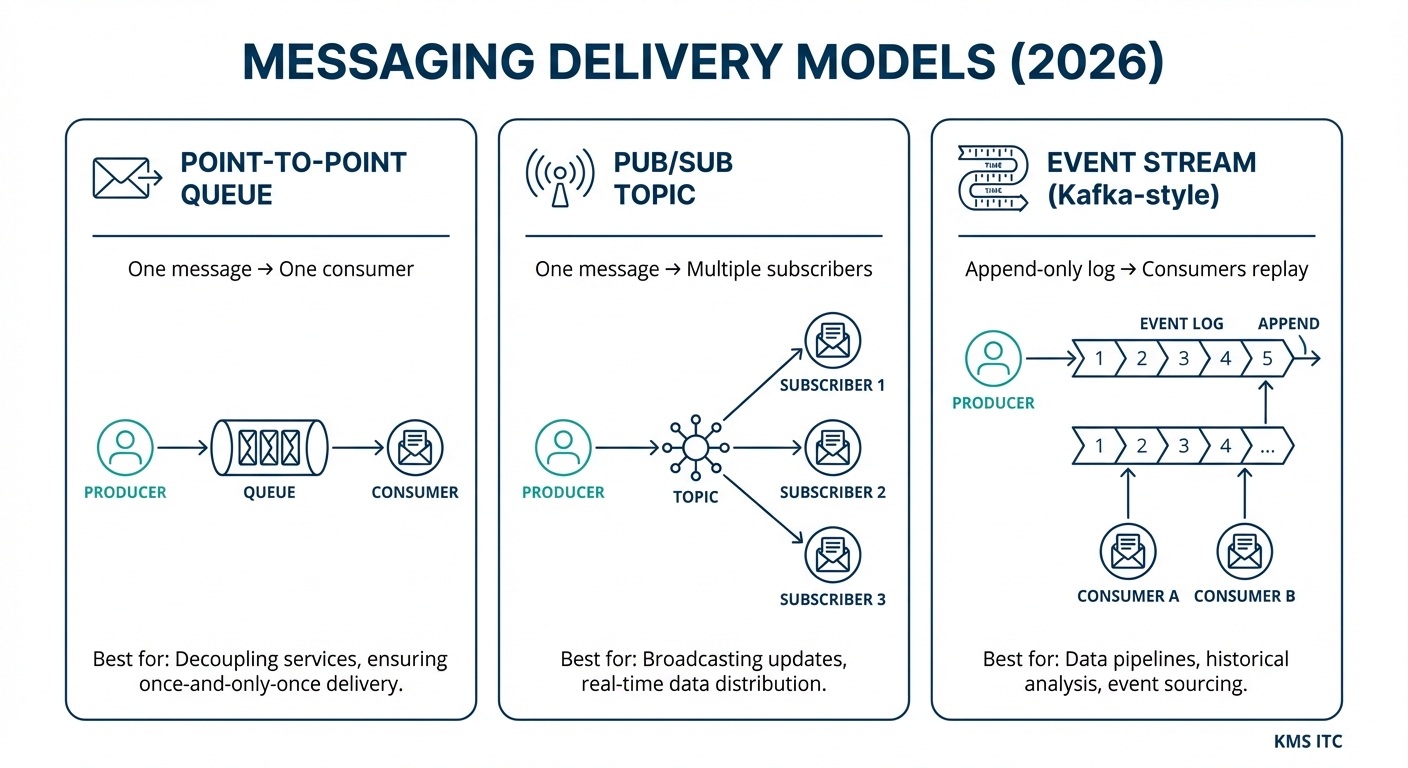
Synchronous HTTP across microservices creates brittle distributed monoliths. Here’s a practical guide to modern messaging delivery models, outbox, saga workflows, and when CQRS/event sourcing actually makes sense.
AI Tooling
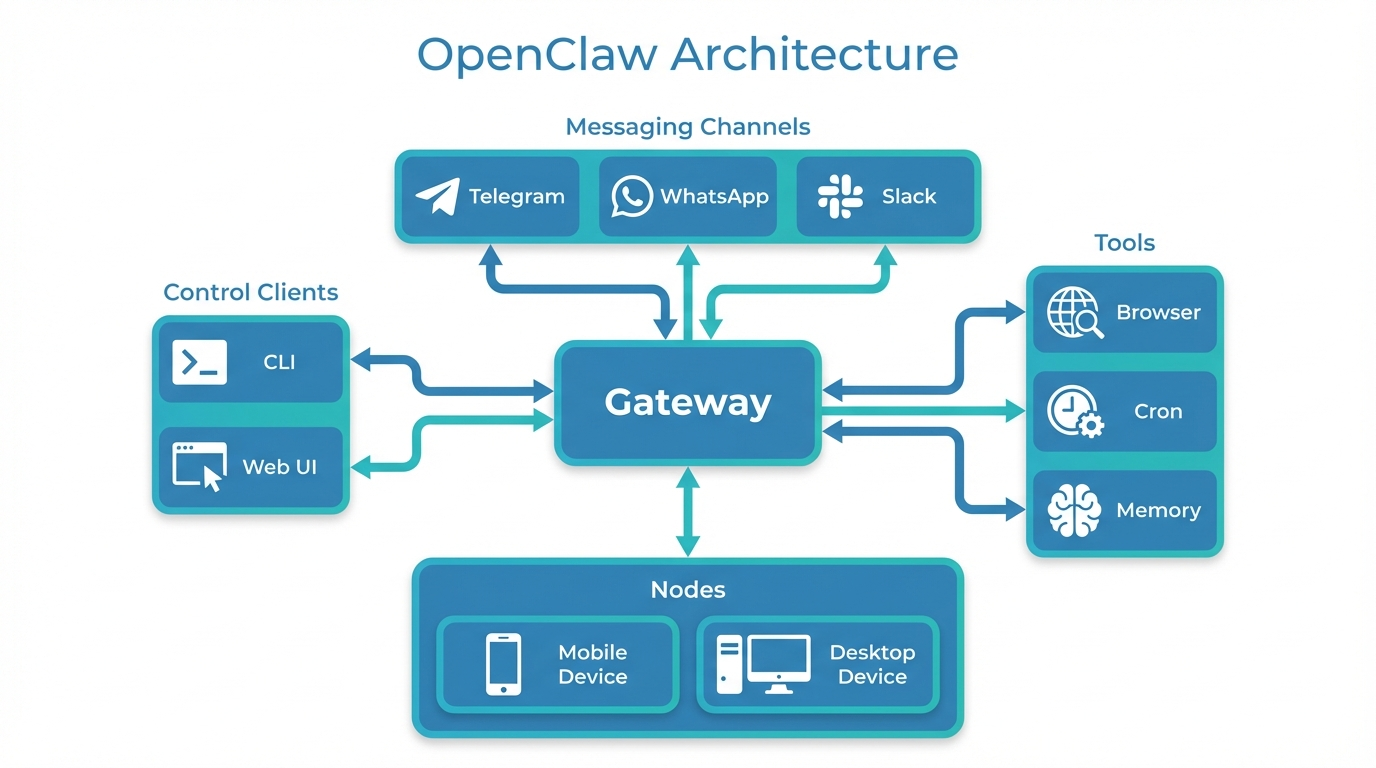
A practical, engineering-focused walkthrough of OpenClaw’s architecture and configuration—how tools, memory, cron jobs, and browser relay combine to turn prompts into real actions.
AI Tooling
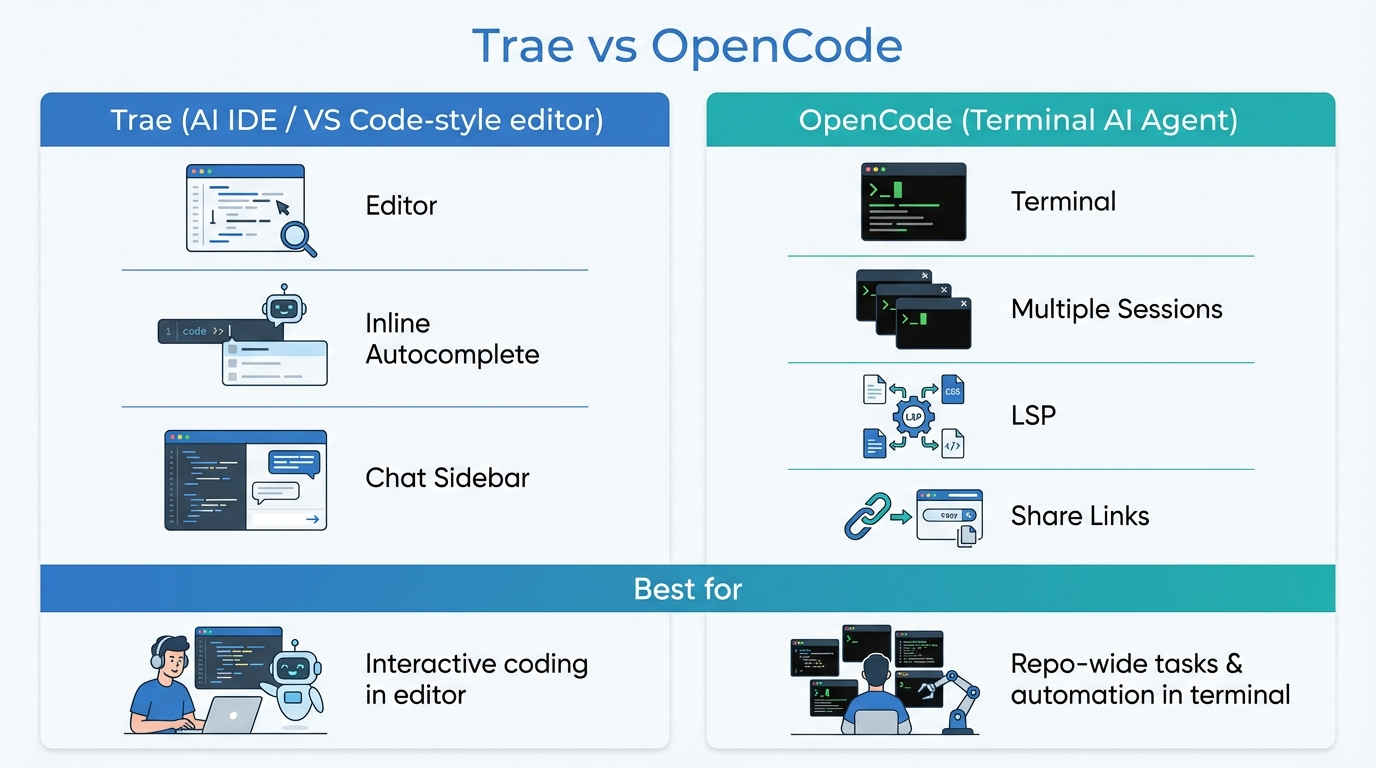
Trae brings AI into an IDE-style workflow; OpenCode brings an agent into your terminal. Here’s how they differ, what each is good at, and how to choose.
Enterprise Architecture

In large organisations, failure rarely comes from a lack of technology—it comes from misalignment. ArchiMate provides a common visual language to bridge strategy, business, and IT, making architecture decisions visible and defensible.
Programming

Learn how TypeScript can transform your JavaScript development workflow with static typing, better tooling, and improved code quality. This guide covers everything from setup to advanced patterns.
Software Engineering

AI coding promised to revolutionize development. After deploying it on a high-stakes financial system, here's what really happened—the good, the painful, and the lessons learned.
Development

Full stack development has evolved dramatically. This guide covers the modern tech stack, architecture patterns, and best practices for building scalable web applications from frontend to backend.
Development

Frontend development has grown from simple HTML pages to complex application development. This guide provides a practical roadmap for mastering modern frontend development, from fundamentals to advanced patterns.
Fundamentals

Understanding data structures and algorithms is fundamental to writing efficient code. This guide covers the essential concepts every software engineer should know, with practical examples and real-world applications.
CMS & Security

A technical guide on integrating Umbraco CMS with Auth0 for authentication, implementing role-based access control (RBAC) for secure, scalable user management.